
Feeling tired, struggling with weight changes, losing strength, or simply not feeling like yourself anymore doesn’t have to be something you automatically accept as part of getting older.
Dr. Stacey Shropshire, founder of Evolution Body Transformation in Monona, Wisconsin, recently joined the Freedom to Formulate Podcast to discuss a more personalized approach to midlife wellness.
The conversation explored hormone optimization, medical weight loss, GLP 1 medications, nutrition, muscle preservation, metabolic health, and why understanding what is happening inside your body can be an important first step toward feeling better.
For Dr. Stacey, the goal isn’t simply treating a number on a lab report. It’s looking at the bigger picture.
Why Midlife Health Deserves a Personalized Approach
People in their 40s, 50s, and 60s often begin noticing changes that weren’t there before.
Energy may decrease. Weight may become harder to manage. Sleep can change. Strength and muscle mass may decline. Women may begin experiencing symptoms associated with perimenopause or menopause, while men may experience changes related to testosterone and other aspects of metabolic health.
But everyone experiences these changes differently.
That’s why Dr. Stacey emphasizes that there is no true one size fits all approach to wellness.
At Evolution Body Transformation, the process can include looking at laboratory testing, symptoms, lifestyle, nutrition, hormones, metabolism, stress, sleep, and other factors together rather than viewing each issue in isolation.
As Dr. Stacey explained during the podcast, your body functions more like a concert. When one section is out of balance, it can affect everything else.
Looking Beyond “Normal” Lab Results
One of the major topics discussed during the podcast was the difference between simply being within a laboratory reference range and understanding what those results mean alongside how someone actually feels.
Instead of waiting until a problem becomes more significant, Dr. Stacey believes testing can help identify trends earlier.
She uses a simple analogy.
Imagine there is a tennis ball sitting on a staircase. You could wait until someone trips over it, falls down the stairs, and needs treatment for an injury.
Or you could notice the tennis ball and move it first.
That preventive mindset is part of the philosophy behind personalized wellness at Evolution Body Transformation.
Laboratory results can provide valuable information, but they become more useful when considered alongside symptoms, nutrition, lifestyle, sleep, stress, and an individual’s health goals.
Hormone Optimization for Women and Men
Hormonal changes were another major focus of Dr. Stacey’s conversation.
Her interest in hormone health grew partly from her own experience. After having children, she experienced changes including weight gain, fatigue, inflammation, rosacea, and cystic acne.
Those experiences eventually helped lead her back to her earlier interest in nutrition and toward a broader approach incorporating hormone health.
Today, Evolution Body Transformation works with both women and men, with a particular focus on helping people navigate the changes that can occur during midlife.
For women, that may include conversations surrounding perimenopause and menopause. For men, testosterone levels and related symptoms may become part of the discussion.
Rather than assuming a symptom is simply a normal consequence of aging, testing can provide additional information about what may be happening.
Nutrition and Hormones Work Together
Dr. Stacey’s background in nutrition predates Evolution Body Transformation.
What changed over time was her ability to combine that nutritional foundation with additional wellness tools.
She explained that nutrition became the foundation of her approach, while hormone optimization helped amplify what could be accomplished.
That combination is important because wellness rarely comes down to one intervention.
Protein intake, vitamins and nutrients, sleep, stress management, movement, hormones, metabolic health, and other lifestyle factors can all interact.
The goal is to understand the individual rather than automatically applying the same protocol to everyone.
GLP 1 Weight Loss Is a Tool, Not the Entire Strategy
GLP 1 medications have dramatically changed the medical weight loss conversation.
Dr. Stacey believes they can be an effective tool when used strategically, but weight loss alone shouldn’t necessarily be the only goal.
One of her biggest concerns is preserving muscle during weight loss.
GLP 1 medications can reduce appetite and help people feel satisfied sooner. That can make weight loss easier, but eating substantially less also makes nutritional choices increasingly important.
If someone fills up before consuming enough protein and other essential nutrients, maintaining lean muscle can become more difficult.
That is why Dr. Stacey encourages patients using GLP 1 medications to prioritize protein rather than simply focusing on eating fewer calories.
Why Muscle Preservation Matters During Weight Loss
Seeing a lower number on the scale doesn’t necessarily tell you what kind of weight you lost.
Dr. Stacey emphasizes protecting skeletal muscle throughout a medical weight loss program because muscle plays an important role in metabolism, strength, mobility, posture, and healthy aging.
Losing significant weight without paying attention to body composition can potentially leave someone at their goal weight without the strength and metabolic foundation they hoped to maintain.
That changes the question from:
“How much weight did I lose?”
to:
“How can I lose weight while protecting the muscle and strength I want to keep?”
That distinction becomes especially important as we age.
Protein, Collagen and HMB During a Weight Loss Program
The podcast also explored nutritional strategies that may complement a medically supervised weight loss plan.
Protein was at the top of the list.
Because GLP 1 medications can make people feel full sooner, Dr. Stacey recommends prioritizing protein during meals rather than leaving it until the end.
She also discussed collagen and HMB as components of the nutritional approach she uses with patients.
The conversation went beyond the scale as well.
After significant weight loss, people may also become concerned about changes in their skin’s appearance, tone, or elasticity. For a practice like Evolution Body Transformation, which combines medical wellness with aesthetic services, those concerns can be considered as part of the broader transformation rather than as completely separate issues.
Weight Loss Should Support Long Term Health
Successful medical weight loss isn’t just about reaching a goal weight as quickly as possible.
It should also consider what happens afterward.
If someone loses weight but also loses significant muscle, returns to old nutritional habits, or never develops a sustainable lifestyle strategy, maintaining those results may become more difficult.
Evolution Body Transformation approaches weight management as part of a larger wellness picture that can include:
• Medical weight loss
• Hormone evaluation and optimization
• Personalized nutrition
• Muscle preservation
• Resistance training and movement
• Stress management
• Sleep
• Metabolic health
• Body composition
• Aesthetic wellness
The goal is not simply becoming smaller. It’s creating a healthier foundation that can be maintained.
You Don’t Have to Change Everything at Once
Another important message from the conversation was that improving your health doesn’t always require immediately committing to an intense workout routine or completely changing your life overnight.
Sometimes the appropriate starting point is much smaller.
For someone dealing with significant stress, poor sleep, fatigue, or metabolic challenges, that could mean beginning with breathing exercises, improving sleep, taking short walks, or adding manageable amounts of movement.
Small steps still count.
The important part is identifying a realistic starting point based on where your body is today.
Stop Guessing and Start Understanding Your Body
One of the simplest ideas from Dr. Stacey’s podcast appearance may also be one of the most important:
If you don’t know what’s happening inside your body, you’re guessing.
Symptoms can develop gradually. Eventually, fatigue, poor sleep, weight gain, reduced strength, or other changes can begin to feel like your new normal.
A personalized wellness evaluation can provide a clearer picture.
By looking at symptoms alongside laboratory testing, hormone health, metabolism, nutrition, lifestyle, and individual goals, patients can have a more informed conversation about what steps may make sense for them.
Midlife Can Be an Opportunity to Evolve
Getting older doesn’t mean you stop evolving.
That philosophy is at the heart of Evolution Body Transformation.
Whether you’re navigating menopause, experiencing changes in testosterone, considering medical weight loss, currently using a GLP 1 medication, or simply wondering why you don’t feel like yourself anymore, the first step is understanding your individual situation.
There isn’t one treatment, supplement, medication, or diet that works for everyone.
The better approach begins with asking the right questions, gathering the right information, and creating a plan around the person rather than forcing the person into a predetermined plan.
Ready to Learn More?
If you’re experiencing changes in energy, weight, strength, hormones, or overall wellness, Evolution Body Transformation can help you explore what may be happening and discuss personalized options based on your goals.
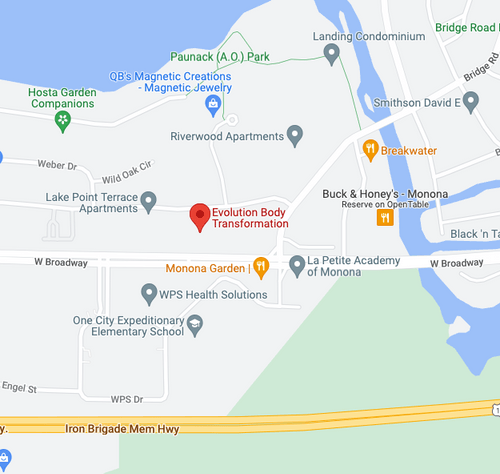
Schedule a consultation with Evolution Body Transformation in Monona, Wisconsin, to learn more about hormone optimization, medical weight loss, metabolic wellness, nutrition, and personalized strategies for feeling stronger and healthier through midlife and beyond.