
Crepey skin can make the arms, neck, chest, knees, or under-eye area look thinner, looser, and less smooth than you feel. The best treatments for crepey skin depend on what is driving the change – sun exposure, natural collagen loss, weight changes, dehydration, or a combination of all of the above. The encouraging news is that you do not have to settle for a one-size-fits-all approach.
Why Crepey Skin Develops
Crepey skin gets its name from its fine, crinkled appearance. Unlike a single wrinkle or deep fold, it usually affects a broader area and can make skin feel delicate or less elastic. It becomes more common with age because the body gradually produces less collagen and elastin, two proteins that help skin stay firm and resilient.
Sun exposure is a major contributor, especially on the chest, forearms, hands, and lower legs. Significant weight loss, hormonal shifts, smoking, and dry skin can also make crepey texture more noticeable. Genetics matter, too. Some people are simply more prone to thinning skin, even when they have taken excellent care of it.
That is why the right plan starts with a realistic look at your skin quality, the area you want to improve, and how much change you are hoping to see. A great treatment can improve texture and firmness, but it will not turn severely loose skin into the skin you had at 25. Honest expectations are part of getting results you will feel good about.
Best Treatments for Crepey Skin: Start With Skin Quality
At-home skincare cannot replace in-office treatments for significant laxity, but it can make a meaningful difference in hydration, texture, and long-term skin support. Think of it as the foundation that helps protect your investment in professional care.
A daily routine should focus on four essentials:
- Broad-spectrum sunscreen helps prevent further collagen breakdown from UV exposure.
- A moisturizer with ingredients such as hyaluronic acid, ceramides, glycerin, or peptides supports a smoother, more hydrated appearance.
- A retinoid or retinol can encourage cell turnover and collagen support over time, when your skin tolerates it.
- Antioxidant products, including vitamin C, can help defend against environmental stressors and brighten uneven-looking skin.
Consistency matters more than having a crowded bathroom shelf. Retinoids can be especially helpful, but they may cause dryness or irritation when introduced too quickly. Start gradually, use moisturizer, and ask a qualified provider whether a retinoid is appropriate for your skin, particularly if you are pregnant, breastfeeding, or managing a skin condition.
Microneedling for Texture and Collagen Support
Microneedling is one of the most versatile options for crepey texture on areas such as the face, neck, chest, and hands. The treatment uses very fine needles to create controlled microchannels in the skin, which stimulates the body’s natural repair response. Over time, that response can support new collagen and improve the look of fine lines, enlarged pores, and thin, uneven texture.
This is not an overnight fix. Collagen remodeling takes time, so results often develop gradually over several weeks. Many people benefit from a series of treatments, followed by maintenance based on their skin goals. Your provider can also help determine whether microneedling is the right choice for a thinner or more sensitive area.
The trade-off is downtime. Expect temporary redness and sensitivity after treatment, and be prepared to follow careful aftercare instructions. For many people, that short recovery period is worthwhile for a natural-looking improvement that continues to build.
Skin Tightening Treatments for Mild to Moderate Laxity
When crepey skin comes with a noticeable loss of firmness, non-surgical skin tightening may be a stronger fit than skincare alone. These treatments use energy-based technology to gently heat targeted tissue and encourage collagen production beneath the surface. As collagen rebuilds, skin may look tighter, smoother, and more supported.
Skin tightening can be especially helpful for areas where creams tend to fall short, including the upper arms, abdomen, thighs, neck, and jawline. It is a popular option for people who want visible improvement without surgery or a lengthy recovery period.
Results vary based on the technology used, the treatment area, your baseline skin laxity, and your body’s collagen response. Some people see an early improvement, while the most noticeable changes often appear over the following months as collagen develops. A series may be recommended for the best outcome.
Non-surgical tightening is ideal for mild to moderate concerns. If there is a large amount of excess skin after major weight loss or pregnancy, surgery may deliver a more dramatic result. That does not make non-surgical care a poor choice – it simply means matching the treatment to the concern matters.
Hydration-Focused Facials and Professional Skin Care
For facial crepiness caused by dryness, dullness, or surface buildup, professional exfoliation and hydration treatments can give skin a fresher, smoother appearance. Treatments such as Hydrafacial services can cleanse, exfoliate, and hydrate the skin without aggressive downtime, making them a convenient option before an event or as part of ongoing maintenance.
These treatments do not create the deeper collagen changes associated with microneedling or energy-based skin tightening. Still, they can improve how the skin looks and feels right now, and they pair well with a larger rejuvenation plan. For someone with mild crepiness and dehydrated skin, that immediate boost can be a real confidence builder.
What About Injectables and Fillers?
Crepey skin and volume loss often happen together, particularly in the cheeks, temples, under-eye area, and around the mouth. In the right patient, filler can restore lost support beneath the skin, which may soften a hollow or deflated appearance. However, filler is not a universal solution for crepey texture.
If the main concern is thin, wrinkled skin on the neck, arms, or knees, adding volume may not address the root issue. In some facial areas, too much filler can even look unnatural. A skilled assessment is essential because the best approach may be skin-quality treatment, subtle volume restoration, or a combination of both.
Neuromodulators such as Botox or Jeuveau work differently. They relax targeted muscles that create expression lines, but they do not directly tighten crepey skin. They can still be part of a balanced facial plan when movement-related wrinkles are also a concern.
Build a Plan Around Your Goals, Not a Trend
The most effective approach is often layered. Daily sunscreen and supportive skincare help preserve progress. Microneedling can address texture and collagen support. Skin tightening can improve mild laxity in larger areas. Hydration-focused treatments can keep the surface of your skin looking refreshed between more intensive services.
Your provider should consider your skin tone, treatment history, medical history, lifestyle, budget, and comfort level. If you have a history of cold sores, pigmentation concerns, active acne, eczema, or keloid scarring, mention it before treatment. These details help guide safe recommendations and appropriate preparation.
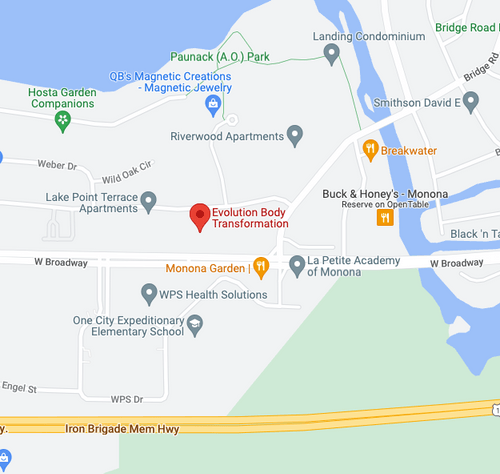
At Evolution Body Transformation, a consultation is a comfortable place to talk through concerns that may feel personal, whether you are noticing crepey arms after weight loss or a thinner-looking neck in photos. You deserve clear answers, realistic options, and a plan that fits your life.
Crepey skin does not need to define how you feel when you get dressed, step into the sunlight, or see yourself in the mirror. Start with the concern you notice most, give collagen-building treatments time to work, and choose professional guidance that makes your next step feel simple.