
That lower-belly fullness that stays after weight loss. The pockets at the flanks that show up in fitted clothes. The softer area beneath the chin that seems disconnected from the rest of your efforts. These are the reasons many people start researching coolsculpting alternatives. The right option depends less on what is trending and more on what you want to change: fat, muscle tone, loose skin, cellulite, or an overall weight-loss goal.
CoolSculpting uses controlled cooling to target small areas of pinchable fat. It can be a fit for some people, but it is not the only non-surgical route to body confidence. Other treatments use heat, muscle stimulation, injectable technology, or medically guided weight loss to address concerns that cooling alone may not solve.
CoolSculpting alternatives: start with what you want to change
Body contouring is not a one-size-fits-all category. A treatment designed for a small, stubborn fat pocket will not necessarily help with abdominal muscle definition, skin laxity after weight loss, or cellulite dimpling. A thoughtful consultation should begin with your goals, health history, treatment area, timeline, and comfort level.
It also helps to set the right expectation. Non-surgical contouring treatments can improve specific areas, but they are not a replacement for significant weight loss or a substitute for healthy habits. Results develop on different timelines, and many options work best as part of a personalized plan.
1. truSculpt for heat-based fat reduction
truSculpt is one of the most common alternatives for people who prefer a heat-based approach to fat reduction. Rather than cooling the treatment area, it uses radiofrequency energy to warm the underlying fat layer. Treatment sessions are typically hands-free, and applicators can be placed across multiple areas such as the abdomen, flanks, thighs, upper arms, or under the chin.
For the right candidate, truSculpt can be appealing because treatment often feels like a deep, controlled warmth. It may be a good conversation to have if you have small to moderate areas of stubborn fat and would rather avoid the sensation of cold. As with any contouring treatment, visible changes are gradual and can vary based on your body, the area treated, and your treatment plan.
2. Emsculpt for muscle definition and fat reduction
Sometimes the concern is not only fat. Many patients want their abdomen to look firmer, their glutes to look more lifted, or their arms to have more definition. Emsculpt uses high-intensity electromagnetic energy to create powerful muscle contractions that are difficult to achieve during a typical workout.
This makes it a different category from fat-freezing treatments. While Emsculpt can support body contouring goals, its standout benefit is muscle conditioning. It can be especially helpful for someone who exercises consistently but wants added definition, or for someone rebuilding strength and confidence after a change in weight or lifestyle.
The treatment feels like intense contractions rather than exercise as you know it. There is no downtime, but a series of sessions is usually recommended. If your primary goal is a smaller fat pocket, another treatment may be more direct. If you want improved muscle tone alongside contouring, Emsculpt may be worth considering.
3. Medically guided weight loss for broader change
Targeted body contouring treats targeted areas. When the goal is overall weight loss, appetite support, or better metabolic consistency, a medically guided weight-loss program may be the more useful first step.
Programs that include medications such as semaglutide or tirzepatide, when medically appropriate, can help eligible patients make meaningful progress with weight management under professional supervision. The most effective programs also include coaching, nutrition guidance, progress monitoring, and support that fits real life.
This option is not an instant fix, and it is not intended for every person. It may be a better match if stubborn areas are part of a larger goal, if weight has been difficult to manage despite consistent effort, or if you want support creating sustainable habits. Once you are closer to your goal weight, body contouring can sometimes help refine areas that remain resistant to diet and exercise.
4. Radiofrequency skin tightening for loose or crepey skin
A layer of fat is not always the issue. Skin can lose some of its firmness with age, after pregnancy, or following weight loss. If the area feels loose, thin, or crepey, reducing fat alone may not deliver the look you had in mind.
Radiofrequency skin-tightening treatments use controlled heat to support collagen remodeling over time. They can be used on areas such as the face, neck, abdomen, arms, and thighs, depending on the technology and your goals. The change is generally subtle to moderate and develops gradually, so this approach works best for people with mild laxity who want non-surgical improvement.
In some cases, pairing skin tightening with fat reduction provides a more balanced result than either treatment alone. Your provider can assess whether there is enough fat to target and whether skin quality should be part of the plan.
5. Cellulite treatments for dimpling and texture
Cellulite is often mistaken for excess fat, but it is a structural concern involving the fibrous bands beneath the skin. That is why a fat-reduction treatment may make an area smaller without fully changing the dimples or uneven texture that bother you.
Cellulite reduction treatments are designed with skin texture in mind. Depending on the technology, they may address circulation, collagen support, or the appearance of the connective bands that create dimpling. A consultation is particularly valuable here because cellulite, loose skin, and localized fat can overlap. Treating the right concern first helps prevent disappointment and supports more noticeable improvement.
6. Liposuction when non-surgical results are not enough
For some people, surgical liposuction is the most appropriate alternative. It can remove a larger volume of fat and may create a more dramatic contour change than non-surgical treatments. However, it is surgery, which means anesthesia considerations, recovery time, cost, and a different level of commitment.
Liposuction is not automatically the “better” choice. It depends on how much change you want, the area being treated, your health, and whether you are comfortable with a surgical procedure. If you want a gradual improvement with little to no downtime, non-surgical options may better fit your lifestyle. If your expectations require a larger reduction, it may be helpful to discuss surgical options with a qualified provider.
7. A consistent fitness and nutrition plan
It is easy to overlook the foundation because it is familiar, but strength training, protein-focused nutrition, sleep, hydration, and stress management still matter for body composition and maintaining results. These habits will not spot-reduce a specific area, but they support muscle tone, weight stability, and the longevity of your aesthetic investment.
For many patients, the strongest plan is not choosing between treatment and lifestyle support. It is combining them in a realistic way. For example, a patient may pursue medically guided weight loss, add Emsculpt for abdominal definition, and later consider skin tightening as their body changes.
How to choose the right body contouring treatment
A good treatment plan should feel clear, not overwhelming. Think about the specific result you want to see in the mirror. Do you want less fullness in one area? More muscle tone? Smoother texture? Firmer skin? A lower number on the scale? The answer points toward a different category of treatment.
You should also consider timing. Non-surgical fat reduction and skin tightening require patience because changes develop over weeks or months. Medical weight loss requires ongoing participation and follow-up. Surgery may offer a faster, more significant change but includes recovery. There is no single best choice, only the best fit for your goals and lifestyle.
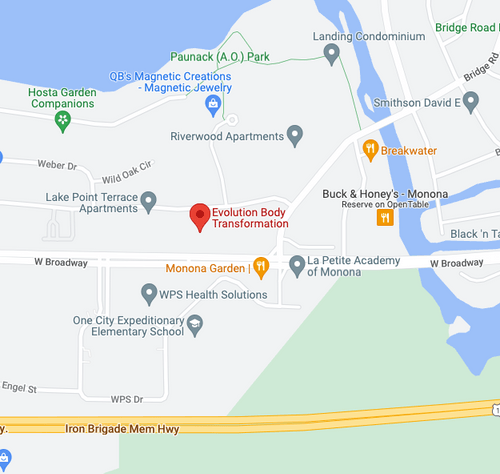
At Evolution Body Transformation, a free consultation is a comfortable place to talk through those questions without pressure. A trained provider can evaluate your concerns, explain what each technology is designed to do, and recommend a plan that feels achievable.
Your body goals deserve more than a treatment chosen from a social media post. Start with an honest conversation about what is bothering you, what progress would feel meaningful, and what level of treatment fits your life. That is how a personalized plan becomes a confident next step.