
Facial flushing can make a person feel like everyone is looking at their skin, even on days when they otherwise feel confident. If you are asking, does IPL help rosacea, the short answer is that it may help reduce the appearance of the visible redness and small blood vessels that commonly accompany rosacea. It is not a cure for rosacea, and it is not the right choice for every skin type or every form of the condition. But for many people, IPL can be a meaningful part of a professionally guided skin-rejuvenation plan.
Does IPL Help Rosacea-Related Redness?
IPL stands for intense pulsed light. Unlike a single-wavelength laser, IPL uses broad-spectrum pulses of light that can be adjusted for specific skin concerns. When used for facial redness, the light is attracted to pigment in visible blood vessels near the skin’s surface. The goal is to lessen the look of diffuse redness, flushing, and tiny broken capillaries over a series of treatments.
For people whose rosacea shows up primarily as persistent pink or red cheeks, visible vessels around the nose, or frequent flushing, IPL may create a clearer, more even-looking complexion. Results vary based on the extent of redness, skin tone, sensitivity, lifestyle triggers, and how consistently the skin is protected and cared for between appointments.
Rosacea is a chronic inflammatory skin condition, which means symptoms can still flare. IPL does not eliminate the underlying tendency toward redness or sensitivity. Think of it as a tool for improving visible concerns rather than a one-time fix for every rosacea symptom.
What IPL Can and Cannot Address
A consultation should start with a close look at what is actually happening in your skin. Rosacea can look different from one person to the next. Some people mainly notice redness and flushing. Others deal with bumps, dryness, burning, thickened skin, or eye irritation. Those concerns do not all respond to IPL in the same way.
IPL is generally considered most helpful for the visible vascular side of rosacea: background redness and small, surface-level vessels. It may also contribute to an overall refreshed appearance by supporting a more even skin tone.
It is less likely to be the primary solution for acne-like bumps, significant irritation, eye symptoms, or severe sensitivity. Those signs may call for evaluation by a qualified medical professional before any aesthetic light treatment is considered. This is why treatment matching matters. A device is only as helpful as the plan behind it.
Why a series is often recommended
Visible redness rarely changes all at once. IPL treatments are commonly performed in a series, spaced apart to give the skin time to respond. Each session can build on the last, with improvements often becoming more noticeable over time.
Maintenance may be appropriate for some clients because rosacea triggers and natural skin changes do not disappear. Your provider can recommend a schedule based on your skin’s response and your goals, rather than placing you in a one-size-fits-all package.
What an IPL Appointment for Redness Feels Like
The experience begins before the light treatment itself. Your provider will review your concerns, skin history, recent sun exposure, current skincare routine, and any factors that could affect treatment suitability. They will also assess your skin tone and the type of redness you are seeing.
During the appointment, protective eyewear is used and a cooling gel may be applied, depending on the device and treatment area. Many clients describe the light pulses as a quick snapping or warming sensation. Comfort levels differ from person to person, and settings can be selected with both effectiveness and skin tolerance in mind.
Afterward, it is common to have temporary warmth, redness, or mild swelling in the treated area. Some visible vessels or darker spots may look more noticeable before they fade. Your provider will explain aftercare steps and what is normal for your particular treatment plan.
This is not the time to push through harsh exfoliants, aggressive scrubs, or a complicated new skincare routine. Calm, consistent care gives your skin the support it needs after a light-based treatment.
Who May Be a Candidate for IPL?
The right candidate is not simply someone with red cheeks. IPL works best when it is selected thoughtfully, after a professional evaluates the cause of redness and the condition of the skin barrier.
People who may want to discuss IPL include those with stable, visible facial redness; small surface blood vessels; or flushing that leaves their complexion looking uneven. People with certain skin tones, active irritation, a recent tan, or particular health and skin-history factors may need a different approach, adjusted settings, or a delayed treatment timeline.
Sun exposure deserves special attention. Tanned or sunburned skin can change how light energy interacts with the skin and may increase the chance of unwanted effects. Honest communication about vacations, outdoor activities, tanning products, and current skincare products helps your provider build a safer, more appropriate plan.
A patch test and conservative approach can matter
Rosacea-prone skin can be reactive. A qualified provider may recommend a test spot or start conservatively, especially when skin is sensitive or a client is new to IPL. That slower approach can feel reassuring because it prioritizes skin response over rushing toward a result.
The goal is not to treat at the highest possible setting. The goal is to choose settings and timing that make sense for your skin.
How to Support Your Results Between Treatments
IPL is one piece of a bigger skin-confidence strategy. The habits you follow outside the treatment room can affect how calm and balanced your skin looks over time.
Gentle cleansing, daily broad-spectrum sunscreen, and a simple routine designed for sensitive skin are often more helpful than constantly trying the latest active ingredient. A provider may also encourage you to pay attention to personal flushing triggers. These can vary widely and may include heat, sun, spicy foods, alcohol, stress, intense exercise, or certain skincare products.
You do not have to avoid every enjoyable activity to care for rosacea-prone skin. The more useful approach is noticing patterns and making practical adjustments. For example, planning shade during a sunny Madison summer afternoon or allowing time to cool down after a workout can be small changes that support your treatment plan.
Avoid picking at the skin or trying to remove visible vessels at home. Rosacea can be frustrating, but aggressive DIY treatments often create more irritation than improvement.
Questions to Ask Before Choosing IPL for Rosacea
A good consultation should leave you feeling informed, not pressured. Ask what type of redness the provider sees, whether IPL is a reasonable fit for your skin, how many sessions may be recommended, and what level of improvement is realistic.
It also helps to ask about preparation and aftercare, including which skincare ingredients to pause if needed and how to protect your skin from the sun. If you have experienced reactions to previous light treatments, facials, or products, bring that up early. Details help your provider customize the experience.
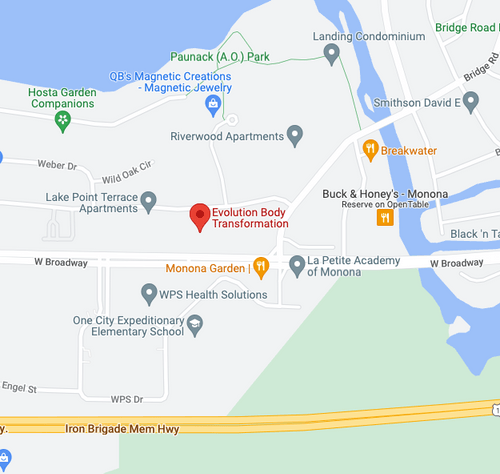
At Evolution Body Transformation, the focus is on matching each client with treatment options that fit their goals, comfort level, and skin needs. A complimentary consultation can help clarify whether IPL belongs in your plan or whether another approach makes more sense for the concerns you want to address.
Redness does not have to dictate how you feel when you look in the mirror or step into a photo. Start with a professional conversation, give your skin the patience it deserves, and choose a plan built around progress that feels right for you.