
A lower-belly pouch that lingers after weight loss. Fullness at the bra line that shows through a favorite top. Outer thighs that seem unchanged despite consistent workouts. These are the kinds of concerns that bring people in to ask about fat freezing treatment areas. The answer is encouraging: cooling-based body contouring can address several common pockets of pinchable fat, but the right area, technology, and treatment plan depend on your body and goals.
Fat freezing is designed for targeted contouring, not for replacing healthy habits or creating a dramatic overall weight-loss change. For the right candidate, it can be a practical way to refine areas that feel resistant to diet and exercise – with a plan built around natural-looking improvement.
Common Fat Freezing Treatment Areas
Fat freezing, also called cryolipolysis, uses controlled cooling to target fat cells beneath the skin. Over time, the body naturally processes the treated cells. Different applicators are designed for different contours, which is why an in-person assessment matters before choosing where to begin.
Abdomen
The abdomen is one of the most requested treatment areas. This may include the upper or lower stomach, depending on where fullness is most noticeable. Many people choose abdominal contouring after pregnancy, after a change in weight, or simply because this area has always held on to fat more easily than the rest of the body.
Treatment is generally most appropriate when there is a soft, pinchable layer of fat. If abdominal fullness is primarily related to deeper visceral fat, significant skin laxity, or muscle separation, another approach may be more appropriate. A consultation helps clarify what is contributing to the shape you see.
Flanks and Lower Back
The flanks – often called love handles – are another popular choice for both women and men. This area can make clothing feel tighter at the waistband, even when the rest of the body feels proportionate. Treating the flanks may help create a smoother transition from the waist to the hips or back.
Lower-back fullness can also be addressed in some cases, including the small pockets sometimes visible above the waistband. Because this area curves differently from person to person, applicator placement and the amount of treatable tissue should be evaluated carefully.
Inner and Outer Thighs
Thigh contouring is highly individualized. Outer-thigh fullness can create a wider silhouette through the hips, while inner-thigh fullness may cause clothing to rub or fit differently. Both can be concerns even for people who are otherwise active and close to their preferred weight.
The key difference is the type and location of the fat. A provider will look at how much tissue is present, the quality of the skin, and whether the goal is a subtle reduction, better balance between the thighs, or a more defined shape overall.
Upper Arms
The upper arms are a frequent concern for clients who want to feel more confident in sleeveless clothing. When there is enough pinchable fat, fat freezing may reduce localized fullness and improve the arm’s contour.
Skin elasticity matters here. If loose skin is the main concern, cooling alone may not deliver the change you are hoping to see. Skin-tightening treatments or a combined approach may be worth discussing during your consultation.
Bra Line and Upper Back
Bra-line fullness can be especially frustrating because it may show through fitted tops, dresses, and activewear. This area is often treatable when there is a defined pocket of fat that can be comfortably positioned in an applicator.
Depending on your anatomy, the upper back, mid-back, or the area near the underarm may be part of the plan. Small adjustments in placement can make a meaningful difference in how clothing lays, which is why body contouring should never be treated as one-size-fits-all.
Under the Chin
Submental fullness, commonly known as a double chin, can occur at many body sizes. Genetics, aging, and facial structure all play a role. For eligible clients, fat freezing under the chin may help create a more defined transition between the chin and neck.
This is a smaller, highly visible area, so realistic expectations are essential. Some people may be better candidates for another facial contouring treatment, particularly when skin laxity is a primary concern. A trained provider can help match the treatment to the result you want to see in photos and in person.
Areas That Need a Different Strategy
Not every area of fullness is an ideal fit for fat freezing. This is not a limitation of your goals – it is simply a reason to choose a treatment based on what is actually happening beneath the skin.
Fat freezing is intended for external, localized fat. It does not treat visceral fat, which is stored deeper in the abdomen around internal organs. It is also not designed to address significant loose skin, build muscle, or treat generalized weight concerns. If your goal includes more overall body change, medically guided weight-loss support may be a helpful part of a broader plan.
Some concerns respond better to other non-surgical technologies. truSculpt may be considered for certain areas and body types where a different form of energy is appropriate. EmSculpt can be a useful option when muscle definition is part of the goal, such as strengthening the appearance of the abdomen, buttocks, arms, or thighs. Emtone may be discussed when cellulite texture is the main frustration. The right answer depends on your starting point, not on whichever treatment happens to be most familiar.
What Makes Someone a Good Candidate?
The strongest candidates are typically close to a stable, comfortable weight and want to improve a specific bulge or pocket of fat. They understand that body contouring is about refinement, not a scale-based transformation. They also have realistic expectations about the pace of results, since the body needs time to process treated fat cells.
During a consultation, your provider will assess the thickness and location of the tissue, skin quality, symmetry, medical history, and your desired outcome. They may also discuss whether one area should be treated first or whether a balanced plan across multiple areas makes more sense. For example, treating the abdomen without considering the flanks may not create the proportion a client has in mind.
Certain health conditions related to cold sensitivity or circulation may mean fat freezing is not appropriate. Your provider will review relevant health information privately and recommend a path that prioritizes your comfort and safety.
What to Expect From the Treatment Process
A fat-freezing appointment begins with precise marking and applicator placement. You may feel a strong cold sensation and pressure at the start, which often eases as the area becomes numb. Treatment time varies based on the areas selected and the technology used.
Afterward, it is common to experience temporary redness, swelling, bruising, firmness, tenderness, tingling, or altered sensation in the treatment area. These effects can vary by person and body area. Your provider will explain aftercare, what is normal to expect, and when to contact the office with questions.
Results develop gradually rather than overnight. Some clients begin noticing changes within several weeks, while the full response may take a few months. More than one session may be recommended depending on the area, the amount of fat present, and the level of contouring you want. Rare complications can occur, which is another reason to choose treatment with qualified professionals who can review the benefits and risks clearly.
Build a Plan Around Your Real Goals
The most satisfying body-contouring plans start with an honest conversation, not a guess in front of the mirror. Bring up the areas that bother you in jeans, workout clothes, swimwear, or photos. Share whether you want a smaller waistline, smoother bra-line contour, more definition under the chin, or a more balanced shape through the thighs.
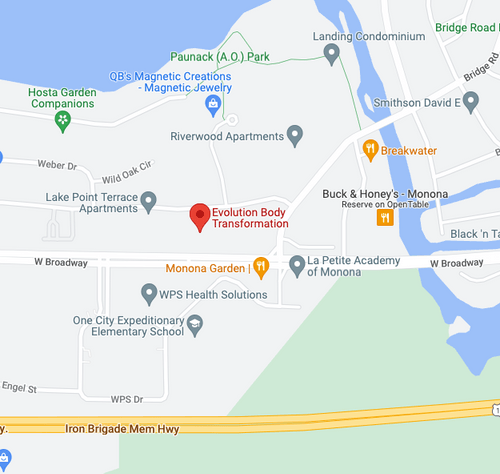
At Evolution Body Transformation, a free consultation gives you space to ask questions, explore appropriate technologies, and create a plan that feels achievable. You do not need to know exactly which treatment to request before you arrive. You simply need a goal, an open conversation, and a team that will help you choose the next step with confidence.