
A smoother underarm, bikini line, face, or leg routine can feel like a major time-saver. Learning how to maintain laser hair reduction helps you protect that progress between appointments and set realistic expectations for the months and years ahead. While laser treatment can provide lasting hair reduction, maintenance is still part of the plan for many people.
Your results are personal. Hair color, hair density, treatment area, hormones, skin type, and the consistency of your initial sessions can all affect how your skin responds. The goal is not to chase perfection. It is to create a practical routine that keeps unwanted hair more manageable and helps you feel confident in your results.
Start by Completing Your Recommended Treatment Series
Laser hair reduction works by targeting pigment in hair follicles during their active growth phase. Because hair does not all grow on the same schedule, one session cannot treat every follicle at once. A series of appointments, spaced according to your provider’s recommendation, gives you the strongest opportunity to treat hair as it cycles into the right phase.
This is where consistency matters most. Skipping long stretches between early sessions may mean some hair is missed during its active growth period, which can slow your overall progress. If your schedule changes, contact your provider so they can help you get back on track rather than guessing when to book next.
After the initial series, many clients notice that the hair that returns is finer, lighter, slower-growing, or less dense than before. Some areas may need occasional touch-up appointments to maintain that level of reduction. This is normal and does not mean your original treatments did not work.
How to Maintain Laser Hair Reduction Between Visits
The best maintenance routine is usually simple: protect your skin, use the right hair-removal method, and pay attention to changes in regrowth. Trying to do too much between appointments can irritate the treatment area or interfere with the follicle-targeting process.
Shave when needed, but skip plucking and waxing
Shaving is typically the preferred way to manage visible hair between laser sessions because it removes hair at the skin’s surface while leaving the follicle in place. That matters because the laser needs pigment in the follicle to do its job at your next appointment.
Avoid waxing, tweezing, threading, sugaring, or using an epilator on the area being treated unless your provider tells you otherwise. These methods pull hair from the root and can make the next session less effective. If you are unsure whether a product or hair-removal method is appropriate, ask before using it.
Take sun exposure seriously
Sun care is one of the most helpful habits for maintaining a safe, consistent laser hair reduction plan. Tanned, sunburned, or irritated skin may not be ready for treatment, and sun exposure can sometimes require an appointment to be postponed.
Use broad-spectrum sunscreen on exposed treatment areas, cover up when practical, and avoid intentional tanning before and after sessions based on your provider’s instructions. This is especially relevant during a Wisconsin summer, when time outdoors can add up quickly, even on a cloudy day.
Keep skincare gentle around appointment time
Healthy, calm skin is easier to assess and treat. In the days surrounding an appointment, follow the pre- and post-care directions you receive. Depending on the area and your usual routine, your provider may recommend temporarily avoiding products that can increase sensitivity, such as exfoliating acids, retinoids, or fragranced body products.
After treatment, mild warmth, temporary redness, or follicle-centered bumps can occur. Resist the urge to scrub, pick, or aggressively exfoliate the area. Cool compresses, loose clothing, and gentle skincare can help you stay comfortable while your skin settles.
Give treated hair time to shed
It can be tempting to judge a session immediately, but hair response is not always instant. In the days or weeks after treatment, some hairs may appear to be growing before they shed. This can be part of the normal process as treated hairs work their way out of the follicle.
Avoid pulling at those hairs. Gentle cleansing and patience are usually more useful than trying to speed things up. If something looks or feels outside the aftercare guidance you were given, reach out to your treatment provider.
Know What Can Affect Long-Term Results
Laser hair reduction is often a long-term investment in less shaving, fewer ingrown hairs from routine hair removal, and a more streamlined grooming routine. Still, bodies change. New hair growth can be influenced by factors outside the treatment room, including natural hormonal shifts, aging, pregnancy, certain health changes, and medications.
Treatment area matters, too. Underarms and bikini areas may respond differently than the face, and finer hair can be more challenging to treat than coarse, dark hair. Individuals with lighter, red, gray, or very fine hair may need a different approach or may see more limited reduction. A qualified provider can explain what is realistic for your hair and skin combination before treatment begins.
This is why maintenance is not one-size-fits-all. One person may want an occasional appointment every year or two, while another may benefit from a different touch-up schedule. Your provider can recommend timing based on visible regrowth, not an arbitrary calendar date.
When to Schedule a Touch-Up Appointment
A touch-up is worth considering when you notice a meaningful, consistent return of hair in an area that was previously smoother. A few isolated hairs do not necessarily mean you need to book immediately. Look for a pattern: more frequent shaving, denser patches, or hair that is becoming noticeable enough to affect your routine.
Before scheduling, take a moment to consider whether the hair is truly returning or simply shedding after a recent session. If you are unsure, a quick conversation with your provider can help you decide whether it is the right time for a maintenance visit.
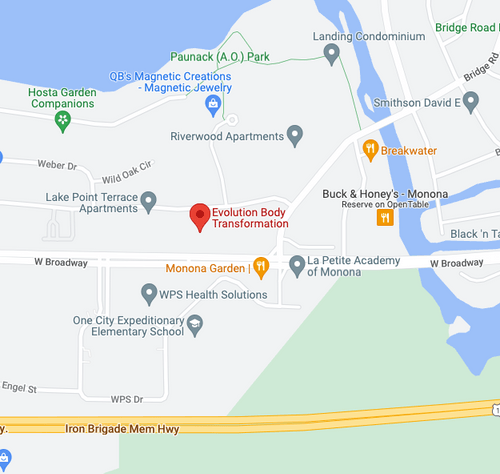
At Evolution Body Transformation, laser hair reduction consultations are designed to make that decision feel straightforward. Your provider can review your treatment history, current goals, and skin response, then recommend a plan that fits your lifestyle rather than a generic schedule.
Small Habits That Help You Stay Consistent
Maintenance becomes easier when it is built into your normal routine. Keep your future treatment timing in your calendar, especially if you tend to get busy during holidays, travel, or the start of summer. Make sunscreen part of your daily skin routine for exposed areas, and use shaving rather than root-removal methods whenever you are actively receiving treatments.
It also helps to take occasional photos in similar lighting before and throughout your treatment plan. Hair reduction can be gradual, so photos may reveal progress that is easy to overlook when you see the area every day. They can also give your provider useful context at a follow-up visit.
Most of all, be honest about your goals. Maybe you want to spend less time shaving your legs, feel more comfortable in swimwear, reduce the upkeep of facial hair, or simplify your morning routine. Clear goals help your provider recommend a realistic course of treatment and maintenance.
Your smooth-skin routine should support your life, not become another complicated task on your list. A free consultation can help you understand what maintenance may look like for your skin, hair, and treatment area, so you can move forward feeling informed, comfortable, and confident.