
You can eat better, move more, and still feel like your body is not cooperating. That is often the point when a medical weight loss treatment guide becomes useful – not because you need another fad, but because you need a plan built around your health, your habits, and your real goals.
For many adults, weight gain is not just about willpower. Stress, hormones, age, medications, sleep, insulin resistance, and a packed schedule all play a role. A medically supervised program looks at the full picture. It is designed to help you lose weight in a way that is safer, more personalized, and easier to sustain than guessing your way through online advice.
What medical weight loss actually means
Medical weight loss is a provider-guided approach to losing weight using clinical oversight, structured coaching, and when appropriate, prescription support. That can include nutrition guidance, lifestyle changes, lab review, progress tracking, and medications such as semaglutide or tirzepatide for qualified patients.
This is not the same as a trendy cleanse or a one-size-fits-all diet. It starts with your baseline. Your provider looks at factors like your weight history, body composition, appetite patterns, health conditions, and treatment goals. From there, the program is adjusted to fit your life, not the other way around.
That matters because two people can have the same goal weight and need very different plans. One person may need appetite control and accountability. Another may need a strategy that works around menopause, prediabetes, or a long history of losing and regaining the same 20 pounds.
Who benefits from a medical weight loss treatment guide
A good medical weight loss treatment guide is helpful for people who are tired of extreme dieting, frustrated by plateaus, or looking for more support than an app can provide. It can also be a strong fit for adults who want professional guidance before weight gain starts affecting energy, confidence, or long-term health.
Some patients are looking for health improvements like better blood sugar control or lower inflammation. Others are more focused on body confidence, clothing fit, or feeling better in photos. Both motivations are valid. Medical weight loss can support health and appearance at the same time.
It is also worth saying this clearly: you do not need to feel embarrassed to ask for help. Weight management is personal, and many people delay treatment because they think they should be able to figure it out alone. In reality, support often makes the difference.
How treatment plans are built
Most programs begin with a consultation. This is where your provider learns about your current habits, medical history, previous attempts at weight loss, and any barriers that have made progress harder. You may discuss things like cravings, emotional eating, sleep quality, exercise tolerance, and whether your weight changed after pregnancy, stress, or certain medications.
From there, the treatment plan is customized. In many cases, that includes a combination of nutrition changes, movement goals, hydration, protein targets, and regular check-ins. If medication is appropriate, it is added as part of the plan rather than treated like a shortcut.
The strongest programs are structured but realistic. They do not expect perfection. They focus on progress you can maintain through work schedules, family responsibilities, travel, and normal life.
GLP-1 medications and what to expect
One reason more people are searching for a medical weight loss treatment guide is the rise of GLP-1 medications. Semaglutide and tirzepatide have changed the conversation around weight loss because they can reduce appetite, improve fullness, and help many patients stay more consistent with nutrition goals.
These medications are not right for everyone, and they are not magic. They work best with medical supervision and behavior changes that support long-term success. Patients often see better control over hunger and fewer food cravings, which can make healthy choices feel less like a constant battle.
There are trade-offs. Some people do very well with these medications, while others deal with nausea, constipation, fatigue, or slower progress than expected. Cost, availability, and maintenance planning also matter. That is why the decision should be made with a qualified provider who can explain benefits, risks, and realistic timelines.
What results usually look like
Results vary, and that is normal. Some patients notice appetite changes within the first few weeks. Others see steadier progress over several months. The goal is not just fast loss on the scale. It is sustainable improvement in weight, habits, and confidence.
Healthy progress may also show up in ways that are easy to overlook at first. Better energy. Less snacking at night. More control around food. Improved consistency with meals and movement. Pants fitting differently before the number on the scale changes much.
This is one reason medically guided care can feel more encouraging. Your progress is monitored with context. If something is not working, the plan can be adjusted instead of leaving you to assume you failed.
Medical weight loss treatment guide: what to ask before starting
Before starting any program, ask how the clinic evaluates patients, who oversees treatment, and how follow-up works. You should know whether your plan includes regular visits, medication monitoring, nutrition support, and clear guidance on side effects or plateaus.
It also helps to ask what happens after the initial weight loss phase. This is where many people struggle. Losing weight and maintaining it are related but not identical goals. A strong clinic will talk about both from the start.
You should feel comfortable asking practical questions too. How often will you need appointments? What is the expected monthly cost? Are there financing or payment options? What kind of communication can you expect between visits? The right program should feel supportive, not confusing.
Why supervision matters
Medical supervision adds a layer of safety and accountability that matters, especially when prescription medication is involved. It helps catch problems early, keeps dosing appropriate, and makes sure your treatment still fits your health needs as your body changes.
It also improves decision-making. If your weight loss slows, a provider can help determine whether that is due to nutrition, stress, sleep, dosage, hormonal factors, or simple normal variation. Without that guidance, many people jump from plan to plan too quickly.
For patients who also care about body contour and appearance, supervised weight loss can fit into a broader transformation plan. As your weight changes, you may eventually want to address stubborn areas, skin texture, or muscle tone with aesthetic treatments. That is one reason a full-service clinic can be especially helpful.
Choosing the right clinic in the Madison area
If you are comparing options, look for a clinic that feels both professional and approachable. You want medical credibility, but you also want a team that listens, explains things clearly, and makes it easy to ask honest questions.
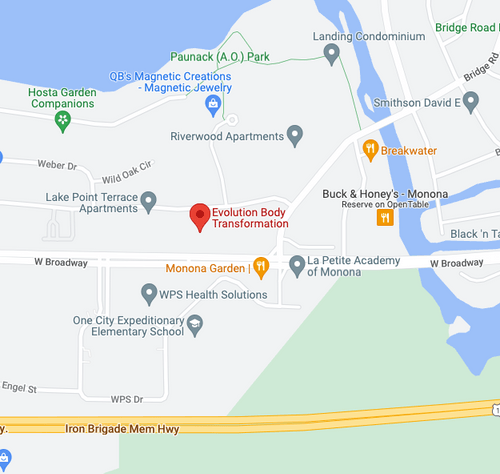
The best fit is usually not the place making the biggest promises. It is the place offering a personalized consultation, realistic expectations, and a plan that matches your goals and comfort level. For many patients in the Madison area, that means choosing a provider who understands both the wellness side of weight loss and the confidence side of looking and feeling better.
At Evolution Body Transformation, that balance is part of the experience. The focus is on helping patients feel informed, supported, and comfortable from the first conversation forward.
When you are not sure where to start
If you have been putting this off because you feel overwhelmed, that is more common than you think. A lot of people know they want help, but they are unsure whether they need medication, nutrition coaching, body contouring, or simply a clearer plan.
That is exactly why the first step matters so much. You do not have to arrive with all the answers. You just need a starting point and a provider who can help you sort through the options without pressure or judgment.
The right treatment plan should make the process feel simpler, not harder. It should give you a path that feels achievable, measurable, and tailored to your life. When that happens, weight loss stops feeling like another cycle of frustration and starts feeling like forward movement you can actually trust.
If you are ready for a more supported approach, start with a consultation and ask the questions you have been carrying around. The best time to begin is usually the moment you decide you are done doing this alone.