
A weight-loss program can look appealing on a screen, especially when it promises a simple monthly plan and dramatic results. But medication is only one part of the experience. This tirzepatide program review guide helps you look past the headline price and choose care that feels safe, supportive, and realistic for your life.
Tirzepatide may be an option for adults who qualify for medically guided weight management, but it is not a one-size-fits-all shortcut. The right program should pair an individualized clinical assessment with clear expectations, ongoing monitoring, and practical coaching that helps you protect your progress over time.
Start With Medical Oversight, Not Marketing
A quality tirzepatide program begins with a real medical evaluation. Before a prescription is considered, a qualified provider should ask about your health history, current medications, weight-related concerns, prior weight-loss efforts, allergies, and goals. They should also discuss whether tirzepatide is appropriate for you or whether another approach may make more sense.
This matters because weight changes are personal, and so are the factors behind them. Blood sugar concerns, digestive conditions, thyroid history, pregnancy plans, other prescriptions, and a history of certain medical conditions can all affect treatment decisions. A program that skips this conversation or relies only on a quick questionnaire is not offering the level of guidance most patients deserve.
Look for a provider who explains what the medication does in plain language. Tirzepatide works on hormone pathways involved in appetite and blood sugar regulation. It can help some people feel full sooner and stay satisfied longer, but it still requires thoughtful use, nutrition habits, hydration, movement, and follow-up care.
What a Tirzepatide Program Review Should Compare
When comparing local clinics, telehealth services, and subscription plans, ask the same questions of each one. A lower starting price can be appealing, but it may not include the appointments, medication management, or support you need to stay on track.
Prescription and medication transparency
Ask exactly what medication is being prescribed, where it comes from, and how it is dispensed. The program should be direct about whether it uses an FDA-approved product or a compounded medication, when applicable, and should explain the differences clearly. You should never feel pressured to move forward without understanding what you are receiving.
A trustworthy program will also provide clear instructions for storage, administration, refill timing, and what to do if a dose is missed. If those details are vague before you enroll, getting answers later may be difficult.
Follow-up appointments and dose adjustments
Tirzepatide programs commonly start at a lower dose and adjust over time based on tolerance, response, and your provider’s clinical judgment. That process should not be automatic. The best dose for someone else is not necessarily the best dose for you.
Ask how often you will check in and whether those visits are included in the program cost. Find out who you contact if nausea, constipation, vomiting, abdominal discomfort, or other side effects arise. You want a clear line of communication with a clinical team that can help you respond appropriately instead of leaving you to search for answers online.
Nutrition and lifestyle support
Medication may reduce appetite, but it does not automatically build a sustainable routine. A strong program helps you make the most of smaller meals by prioritizing protein, fiber, fluids, and nutrient-dense foods. It should also help you think through common real-life moments: restaurant meals, work travel, weekends, stress eating, and a busy family schedule.
Support does not need to be overly complicated to be useful. Sometimes it is a simple conversation about meal timing, strength training, sleep, or how to avoid under-fueling when appetite is low. The goal is not perfection. It is building habits that support energy, muscle maintenance, and long-term confidence.
Total cost, not just the monthly offer
Before you sign up, request a straightforward explanation of the full cost. Does the advertised amount include your medical consultation, medication, follow-up visits, supplies, lab work, or refill fees? Is there a cancellation policy? Will pricing change as your dose changes?
A program can still be a good fit if it is not the least expensive option. Consistent access to a knowledgeable provider, responsive follow-up, and a plan built around your needs may offer more value than a low-cost service with limited support. What matters is that the price is clear, manageable, and free of surprises.
Know What Results Can and Cannot Promise
A credible clinic will talk about progress without guaranteeing a specific number on the scale. Weight loss can vary based on your starting point, health history, medication tolerance, nutrition, activity level, sleep, stress, and consistency with care. Some patients see meaningful changes quickly, while others need more time or a different plan.
Be cautious of before-and-after photos that do not explain the timeframe, the full program, or whether results are typical. Photos can be motivating, but they are not a medical assessment. Your review should focus on whether the provider gives you a personalized expectation and a way to measure progress beyond weight alone.
That may include waist measurements, energy levels, mobility, confidence, habits, body composition when appropriate, and improvements in how your clothes fit. A scale is one data point, not your entire story.
Pay Attention to the Program Experience
Weight loss can bring up frustration, embarrassment, and a long history of trying to do everything right without getting the results you wanted. You deserve care that feels respectful and nonjudgmental. During a consultation, notice whether the team listens carefully, answers your questions, and treats your concerns as valid.
The experience should also fit your schedule. Consider appointment availability, refill processes, location, communication options, and how quickly the clinic responds when you need help. For Madison-area patients, in-person care can be especially reassuring because it provides a familiar team and an opportunity to discuss your results face to face.
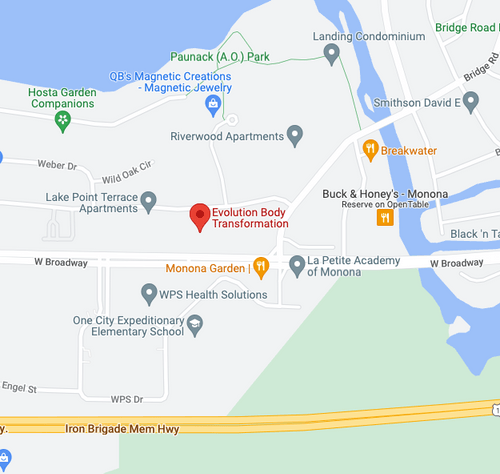
At Evolution Body Transformation, medically guided weight-loss care is designed to feel approachable, not intimidating. A consultation creates space to talk honestly about your goals, review whether treatment may be appropriate, and build a plan that works with your lifestyle.
Questions Worth Asking Before You Enroll
Bring these questions to your consultation or use them while reviewing a program online:
- Who evaluates me and who manages my prescription?
- What is included in the quoted price, and what could cost extra?
- How are follow-ups handled if I have side effects or questions?
- What type of medication will I receive, and how is it supplied?
- How do you decide whether to adjust my dose or change my plan?
- What nutrition, fitness, or habit support is available?
- What happens if tirzepatide is not the right fit for me?
Clear, patient answers are a good sign. Pressure to purchase immediately, guaranteed outcomes, unclear medication sourcing, or a lack of clinical follow-up are signs to pause and keep looking.
Choose Support You Can Stay With
The best tirzepatide program is not simply the one with the boldest promise. It is the one that gives you qualified medical guidance, honest pricing, responsive support, and a plan you can realistically maintain. Medication may help create momentum, but your care team and everyday routines help turn that momentum into lasting change.
If you are considering tirzepatide, start with a conversation rather than a commitment. A thoughtful consultation can help you understand your options, ask the questions that matter, and move toward your goals with more clarity and confidence.