
A single line between your brows can raise a bigger question than most people expect: what age should you start Botox? The honest answer is not a number. Some people notice expression lines in their 20s, while others are happy with their skin well into their 40s or beyond. The right time depends on what you see, what you want to change, and whether treatment fits your personal goals.
Botox is not about chasing a certain age or looking like someone else. When performed thoughtfully, it can soften the facial movements that create lines over time while helping you look refreshed, rested, and still like yourself.
What Age Should You Start Botox?
There is no universal “best age” to begin Botox. Most people who choose cosmetic neuromodulator treatments are adults in their late 20s, 30s, 40s, and beyond. The better question is: are dynamic wrinkles starting to bother you?
Dynamic wrinkles are lines formed by repeated facial movement. Think of the “11s” between the eyebrows, horizontal forehead lines, and crow’s feet around the eyes. In the beginning, these lines may appear only when you frown, squint, or smile. Over time, repeated movement can make them more noticeable even when your face is at rest.
For some people, this shift happens in their late 20s. For others, it may not happen until later. Genetics, sun exposure, skin type, stress, sleep, smoking, and everyday facial expressions all play a role. Age provides context, but your skin and concerns are more useful guides.
Starting in Your 20s: Prevention With a Light Touch
Many people first consider Botox in their late 20s because they are beginning to see expression lines linger after their face relaxes. A conservative approach at this stage may help soften strong muscle movement in specific areas before lines become more deeply set.
That does not mean everyone in their 20s needs Botox. If you do not see lines that concern you, or you simply are not interested in treatment, there is no reason to start because of a birthday. Great daily habits, including sunscreen, a consistent skincare routine, hydration, and avoiding tobacco, remain valuable at every age.
If you are considering early treatment, subtlety matters. The goal should be a natural result, not a frozen expression. A trained provider can assess how your muscles move and recommend whether a small, targeted treatment makes sense for you.
When it may be worth a consultation
You may be a good candidate for a conversation about Botox if you notice that forehead lines, frown lines, or crow’s feet remain visible after your expression relaxes. You may also be interested if you find yourself raising your brows, squinting, or frowning in photos and want a softer appearance without surgery.
A consultation is not a commitment. It is a chance to ask questions, discuss your comfort level, and understand what a personalized plan could look like.
Botox in Your 30s: Treating Lines Before They Deepen
Your 30s are a common time to start because dynamic wrinkles often become more consistent during this decade. Many patients still have strong skin elasticity, but their expression lines may be visible at rest, especially after a busy week, a sunny vacation, or periods of stress.
Botox can relax the muscles responsible for those repeated creases. As muscle movement softens, the skin has a chance to look smoother. Treatment can be especially helpful for people who want to maintain a rested appearance but are not interested in more involved procedures.
Results are temporary, which is both a benefit and a consideration. You are not making a permanent change. At the same time, maintaining your result requires future appointments if you decide you enjoy the effect. Your provider can help you create a schedule that feels realistic for your lifestyle and goals.
Starting Botox in Your 40s, 50s, or Later
It is never “too late” to explore Botox if your goal is to soften expression lines. In your 40s and beyond, you may have a combination of dynamic wrinkles and static lines, which are visible even when your face is completely relaxed. Botox can still improve the dynamic component by reducing the repeated movement that contributes to those lines.
The trade-off is that deeper, etched-in lines may not disappear with Botox alone. This is where a more complete facial aesthetic plan can be helpful. Depending on your skin, concerns, and desired result, a provider may discuss treatments that support skin texture, collagen, hydration, or volume along with a neuromodulator.
That does not mean you need to do everything at once. Many people begin with one concern, see how they feel, and build a plan gradually. The best approach is the one that feels comfortable, achievable, and aligned with your definition of refreshed.
Your Face Matters More Than Your Friends’ Ages
It is easy to compare yourself to friends, coworkers, or what you see online. But two people of the same age can have completely different facial anatomy, skin quality, muscle strength, and goals. One person may have pronounced frown lines at 28, while another may barely notice them at 45.
Your natural expressions also matter. Some people have highly active forehead muscles. Others create stronger lines around their eyes from smiling or squinting. A skilled injector evaluates how your face moves instead of using a one-size-fits-all approach.
This is why copied treatment plans can miss the mark. More treatment is not automatically better. The right amount is the amount that supports a softened, balanced look while preserving the expressions that make you recognizable.
What to Expect From a Thoughtful Botox Consultation
A good consultation should feel relaxed, informative, and personal. You should have space to share what bothers you, what kind of result you want, and what you want to avoid. Some patients want a very polished look; others want a barely-there improvement. Both are valid goals.
Your provider should review your medical history, current medications, allergies, and any relevant health considerations before recommending treatment. Botox is not appropriate for everyone, including people with certain neuromuscular conditions, active skin infections in the treatment area, or specific medical circumstances. If you are pregnant, breastfeeding, or planning a major change in your health routine, ask your medical provider for guidance.
During the appointment, your injector may ask you to smile, frown, raise your eyebrows, or squint. These movements help them understand where your facial muscles are strongest and how to treat your concerns with precision.
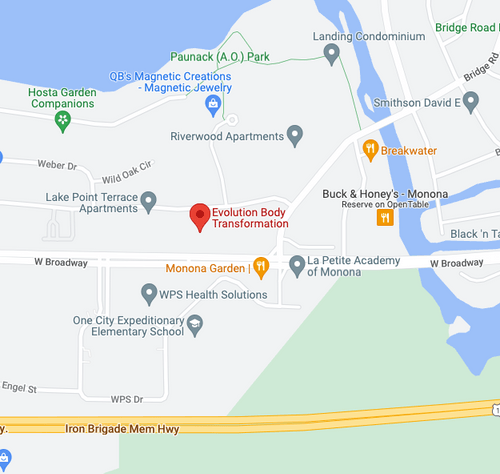
At Evolution Body Transformation, the focus is on helping Madison-area patients feel informed and comfortable, not pressured. A personalized consultation can clarify whether Botox, Jeuveau, skincare, skin rejuvenation, or a combination of options best supports your goals.
Botox Is One Piece of Healthy Skin Aging
Neuromodulators can make a meaningful difference for expression lines, but they do not replace foundational skin care. Daily broad-spectrum sunscreen is one of the most useful steps you can take to protect against premature visible aging. A consistent routine with products suited to your skin type can also support brightness, hydration, and smoother-looking texture.
Lifestyle factors count, too. Quality sleep, stress management, nourishing food, and staying hydrated can all affect how your skin looks and feels. No treatment has to carry the full weight of your self-care routine.
If your primary concern is uneven tone, dullness, enlarged pores, acne scarring, or laxity, Botox may not be the first or only recommendation. This is another reason an in-person assessment matters. The right treatment should match the concern, rather than forcing every concern into the same solution.
The Best Time Is When the Goal Feels Like Yours
There is no prize for starting Botox early, and there is no penalty for starting later. The right time is when you have a specific concern, realistic expectations, and access to a qualified provider who listens to you.
If expression lines are beginning to distract from how confident and energized you feel, a consultation can give you clear, personalized answers. Start where you are, ask every question you have, and choose a plan that helps you feel comfortably like yourself.