
If your clothes fit better everywhere except that one spot – lower belly, flanks, thighs, under the chin – you are not imagining it, and you are not alone. The best non surgical contouring treatments are designed for exactly this kind of frustration: areas that do not respond the way you want, even when you are eating well, working out, and doing your part.
What makes this category so appealing is also what makes it confusing. “Body contouring” can mean freezing fat, heating fat, building muscle, tightening skin, smoothing cellulite, or combining several of those goals in one plan. The right answer depends less on what is trending and more on what you want to change, how quickly you want to see it, and whether fat, laxity, muscle tone, or texture is the real issue.
What the best non surgical contouring treatments actually do
Non-surgical contouring is not a substitute for major weight loss, and it is not meant to create a completely different body overnight. It works best for people who are close to their goal weight or actively improving their health but want help with targeted areas.
That distinction matters because a treatment can be excellent and still be the wrong fit. If the main concern is pinchable fat, one option may stand out. If the body area looks soft because of loose skin or low muscle tone, fat reduction alone may leave you underwhelmed. This is why personalized treatment planning matters so much.
Best non surgical contouring treatments by goal
1. CoolSculpting for stubborn fat pockets
CoolSculpting is one of the best-known body contouring treatments for a reason. It uses controlled cooling to target and reduce fat cells in areas like the abdomen, flanks, thighs, upper arms, and under the chin.
This option tends to appeal to people who can point to a specific bulge and say, “That is the part I want gone.” Treatment is non-invasive, and there is little to no downtime, which makes it realistic for busy schedules. Results develop gradually as the body processes treated fat cells over time.
The trade-off is patience. You do not walk out looking dramatically smaller that day, and some people need more than one session depending on the area and desired result. It is also best for localized fat, not general weight loss.
2. truSculpt for fat reduction with flexible body-area treatment
truSculpt uses heat-based radiofrequency technology to target fat cells. It is often a strong choice for patients who want body contouring without the cold sensation of fat freezing or who may be a candidate for larger treatment areas.
One reason patients like this approach is comfort and convenience. Sessions are relatively quick, and many people appreciate the warming feel of treatment. It can be useful on the abdomen, flanks, thighs, and other body zones where stubborn fat hangs on.
As with other fat-reduction treatments, it works best when the issue is excess fat rather than loose skin or weak muscle tone. If your concern is a softer, less supported look after weight changes or pregnancy, truSculpt may be part of the answer, but not always the whole answer.
3. Emsculpt for muscle building and shape enhancement
Sometimes what people describe as “I want to tone up” is not really a fat problem. It is a muscle-definition problem. Emsculpt is different from fat-focused treatments because it targets muscle contractions far beyond what you can achieve in a normal workout.
This makes it especially appealing for the abdomen and buttocks. If you want a firmer core, more visible muscle tone, or a rounder, lifted look in the glutes, Emsculpt may be one of the best non surgical contouring treatments to consider.
It is important to be realistic here. Emsculpt is not the same as losing 30 pounds, and it does not replace exercise. What it can do is improve tone and shape in a way that complements healthy habits. For many patients, that is exactly the missing piece.
4. Skin tightening treatments for loose or crepey areas
A body area can look less defined even when there is not much fat there. Skin laxity after weight loss, aging, or pregnancy can soften the body’s contours and make clothing fit differently.
In these cases, skin tightening may be more useful than fat reduction alone. Depending on the technology used, these treatments typically rely on heat energy to stimulate collagen and improve firmness over time. The result is not surgical skin removal, but for mild to moderate laxity, it can make a meaningful difference.
This is one of the biggest “it depends” categories in body contouring. If you treat loose skin as if it were just fat, you may feel disappointed. A good consultation helps sort that out before you invest time and money in the wrong plan.
5. Cellulite reduction for smoother texture
Cellulite is its own category, and that matters because many people confuse it with fat. You can be fit, active, and at a healthy weight and still have dimpling on the thighs or buttocks. That is because cellulite involves the structure beneath the skin, not just the amount of fat on top of it.
Cellulite reduction treatments aim to smooth and improve texture. They can be a great option if your main concern is how the skin surface looks in leggings, shorts, or a swimsuit. They are often combined with contouring or skin tightening for a more complete result.
The key is setting the right expectation. Most non-surgical cellulite treatments improve the look of dimpling. They do not erase natural skin texture forever.
6. Combination treatment plans for better overall shaping
Many of the best outcomes do not come from one treatment. They come from treating the real problem from more than one angle. For example, a patient may benefit from fat reduction in the flanks, muscle building in the abdomen, and skin tightening to refine the final look.
This is often the smartest approach when body changes have multiple causes, which is common after weight fluctuations, pregnancy, or aging. It can also be more efficient than trying one standalone service, waiting, and then starting over with something else.
A one-size-fits-all recommendation usually misses something. The strongest plans are matched to your body, your lifestyle, and the amount of change you want to see.
How to choose the right contouring treatment
Start with the goal, not the machine. If you want a smaller pinch of fat, look at fat-reduction treatments. If you want more definition, muscle-focused technology may fit better. If the skin looks loose or textured, tightening or cellulite treatment may matter more than fat removal.
It also helps to think about your timeline and comfort level. Some people are happy with gradual change if it means minimal interruption to daily life. Others want the most noticeable improvement possible and are open to a series of treatments. Neither approach is wrong.
Budget matters too, and so does maintenance. The cheapest option is not always the best value if it does not address the actual concern. A thorough consultation should make the path clearer, not more confusing.
Who gets the best results
The ideal candidate is usually already committed to healthy habits and wants help refining specific areas. Non-surgical contouring tends to work best when your weight is relatively stable and your expectations are grounded in improvement, not perfection.
That does not mean you need to “earn” treatment first. It means these services work best as part of a bigger plan for confidence, wellness, and long-term consistency. For some people, that includes medically guided weight loss alongside body contouring to support more visible, lasting change.
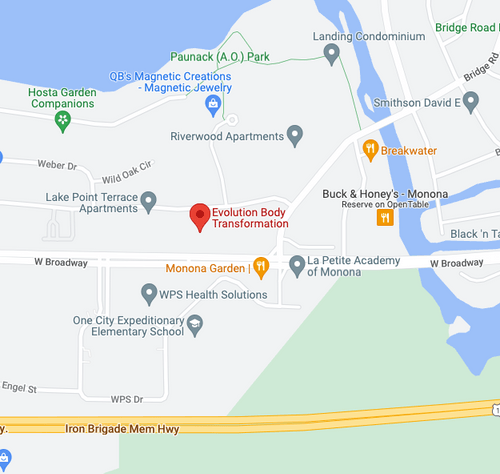
At Evolution Body Transformation, this is why consultations are such a valuable first step. When you can talk through your goals with a trained team, it becomes much easier to choose a treatment that actually matches your body instead of guessing based on photos or trends.
The question to ask before you book
Instead of asking, “What is the most popular treatment?” ask, “What is causing the shape or texture I want to change?” That one shift can save you time, money, and frustration.
The best non surgical contouring treatments are not “best” because they are famous. They are best when they are matched correctly – to your body, your goals, and your real life. If you are not sure where to start, that is normal. A good consultation should leave you feeling informed, comfortable, and excited about what is actually possible.