
A guide to skin resurfacing options should do more than name treatments. It should help you understand what your skin is asking for – whether that is a brighter tone, smoother texture, fewer visible acne scars, softer fine lines, or a more refreshed look that still feels like you.
Skin resurfacing is not one treatment or one recovery experience. Some options gently remove dull surface buildup with little to no downtime. Others create controlled changes deeper in the skin to support collagen production and address more noticeable texture concerns. The right choice depends on your goals, your skin type, your schedule, and how much recovery time you are comfortable with.
What Does Skin Resurfacing Treat?
Skin resurfacing refers to treatments that renew the skin’s surface or stimulate renewal beneath it. Over time, sun exposure, breakouts, aging, and everyday stress can leave skin looking uneven, rough, dry, or less firm. Resurfacing treatments are designed to improve the appearance of these concerns gradually and naturally.
Many people consider resurfacing for fine lines, enlarged-looking pores, uneven texture, acne scars, sun spots, mild laxity, and a dull complexion. It can also be a smart choice when your skincare routine is no longer delivering the improvement you want.
Results vary by treatment and by person. A single glow-focused treatment may be ideal before an event, while deeper acne scarring or more established lines may require a series of treatments and patience as collagen rebuilds.
Your Guide to Skin Resurfacing Options
The best option is the one that matches the condition you want to improve without asking more of your skin or schedule than you can reasonably manage. Here is how common resurfacing approaches differ.
Dermaplaning for an immediate smooth finish
Dermaplaning is a gentle exfoliation treatment that uses a sterile blade to remove dead skin cells and fine facial hair. It does not change the deeper layers of your skin, but it can leave your complexion looking smoother, brighter, and more even right away.
This option is especially appealing if your skin looks dull, makeup tends to catch on dry patches, or you want a polished glow without significant downtime. It also helps skincare products sit more evenly on the skin. Dermaplaning is not designed to correct deeper wrinkles, scars, or significant pigment concerns, but it can be a useful part of an ongoing skin-maintenance plan.
Hydrafacial for exfoliation plus hydration
A Hydrafacial combines cleansing, exfoliation, extraction, hydration, and targeted serums in one comfortable treatment. It is a practical choice for people who want clearer-looking, well-hydrated skin without the peeling or recovery period associated with more intensive resurfacing.
Because the treatment can be customized, it may work well for concerns such as congestion, dryness, uneven tone, or a lack of radiance. Think of it as a skin reset rather than a deep correction for scars or etched-in lines. Regular treatments can help support a consistently healthy-looking complexion.
Microneedling for texture and collagen support
Microneedling uses very fine needles to create controlled microchannels in the skin. This process encourages the skin’s natural repair response and supports collagen and elastin production over time. It is often recommended for uneven texture, mild to moderate acne scarring, enlarged pores, fine lines, and early signs of skin laxity.
You may look pink or feel mildly sensitive after treatment, similar to a sunburn, but recovery is generally manageable for many patients. The visible change is gradual rather than overnight. That is part of the appeal: as the skin produces new collagen, results can look refreshed and natural.
Microneedling is usually performed as a series, especially for scarring or texture concerns. A provider can recommend an appropriate treatment schedule based on your skin and goals.
Radiofrequency microneedling for deeper rejuvenation
Radiofrequency microneedling pairs traditional microneedling with heat energy delivered beneath the skin’s surface. This added energy can provide more intensive collagen stimulation, making it a strong option for people focused on texture, firmer-looking skin, acne scars, or fine lines that are not responding to lighter treatments.
The trade-off is that this approach is more involved than a surface-level facial. You may need additional recovery time and should follow post-treatment instructions closely, especially around sun exposure and skincare products. For the right candidate, it can offer meaningful improvement while avoiding surgical procedures.
IPL for visible sun damage and uneven tone
IPL, or intense pulsed light, is often used for redness, brown spots, sun damage, and uneven pigmentation. Unlike treatments that primarily focus on texture, IPL targets certain pigments and blood vessels in the skin to create a more balanced-looking complexion.
It can be a great fit if your biggest concern is blotchiness, sun spots, or facial redness. It may not be the first choice for deep acne scars or pronounced skin laxity, since those concerns typically need collagen-focused treatment. Also, IPL is not appropriate for every skin tone or every pigmentation concern. A professional skin assessment is essential for safe, appropriate treatment selection.
Laser resurfacing for more intensive correction
Laser resurfacing uses focused light energy to renew the skin. Some lasers work more gently with minimal downtime, while more intensive laser treatments remove layers of damaged skin and require a longer recovery period. Depending on the technology, laser resurfacing may address texture, wrinkles, scars, discoloration, and sun damage.
The potential benefits can be significant, but stronger is not automatically better. More intensive treatments come with more preparation, more aftercare, and a higher need for careful candidate selection. Your history of pigmentation, sensitivity, active acne, and sun exposure habits all matter when deciding whether a laser approach makes sense.
How to Choose the Right Treatment for Your Skin
It is tempting to choose based on a before-and-after photo or a friend’s recommendation. Your skin has its own history, though. The treatment that gave someone else a dramatic glow may not address your main concern or may not suit your skin tone and lifestyle.
Start by identifying your priority. If you want a quick, hydrated glow with no major downtime, dermaplaning or a Hydrafacial may be the right place to begin. If scarring, fine lines, or uneven texture are more frustrating, microneedling or radiofrequency microneedling may be worth discussing. If brown spots and redness are front and center, IPL could be a more targeted match.
Your timeline matters, too. Avoid scheduling a new, more intensive resurfacing treatment immediately before a wedding, vacation, or major event. Skin may need time to calm, peel, or reveal its final result. Planning ahead helps you enjoy the process instead of feeling rushed by it.
What to Expect Before and After Resurfacing
A professional consultation should include a conversation about your skin goals, medical history, current skincare routine, past treatments, and any tendency toward sensitivity or dark marks after irritation. Be open about active breakouts, cold sores, recent tanning, and products such as retinoids or exfoliating acids. These details help your provider choose the safest approach and prepare your skin properly.
Aftercare is not an extra step. It is part of your result. Most resurfacing treatments call for gentle cleansing, hydration, sunscreen, and a temporary pause on strong active ingredients. Picking, scrubbing, or trying to speed up peeling can lead to irritation and unwanted discoloration.
Daily sunscreen is especially important. Resurfacing can reveal brighter, smoother skin, but unprotected sun exposure can quickly bring back uneven tone and undermine your progress. A consistent at-home routine helps extend the benefits of your in-office treatment.
A Personalized Plan Creates Better Results
Skin concerns rarely fit into one neat category. You may have both dryness and congestion, or texture concerns alongside redness and sun damage. That is why combination plans can be so helpful. A provider might recommend a series of collagen-supporting treatments, then use Hydrafacial or dermaplaning appointments to maintain a smoother, healthier-looking glow between visits.
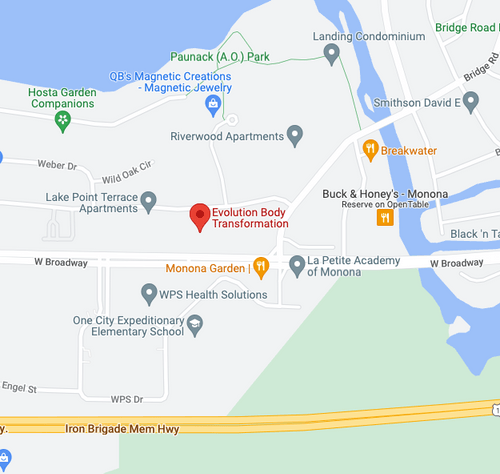
At Evolution Body Transformation, the goal is not to push you toward the most intensive option. It is to help you feel informed, comfortable, and confident about the treatment path that makes sense for your skin. A personalized consultation can clarify where to start, what results are realistic, and how to build on them over time.
Your skin does not need to look filtered to look renewed. Start with the concern that matters most to you, protect your progress with thoughtful aftercare, and give your skin the time it needs to show its improvement.