
The scale has not moved in three weeks. You are still making thoughtful food choices, showing up for workouts, and wondering why the progress that once felt encouraging has suddenly stopped. Weight loss plateau solutions are not about pushing harder until you burn out. They are about finding the reason progress has slowed, then making a plan that fits your body, health history, and real life.
A plateau can feel discouraging, especially when you have already put in meaningful work. But it is also common. Your body changes as you lose weight, and the approach that worked at the beginning may need an adjustment now. With the right support, a plateau can become a useful checkpoint rather than the end of your momentum.
Why Weight Loss Plateaus Happen
Weight loss is rarely a straight line. Early changes may include shifts in water weight, while later progress often becomes slower and less visible from week to week. As body weight decreases, your body generally needs fewer calories to maintain itself. That means the calorie deficit that supported results a few months ago may be smaller now.
Daily habits can shift, too. Portions can gradually grow, restaurant meals may happen more often, or a busy schedule can reduce movement outside of planned exercise. Even a healthy routine can become less consistent during stressful seasons, travel, illness, hormonal changes, or poor sleep.
The scale also does not tell the full story. Strength training can support muscle while fat is being lost, and temporary fluid retention can mask changes. If your clothes fit differently, your measurements are shifting, or you feel stronger and more energetic, you may still be moving in a positive direction even when the number looks stubborn.
For some people, medical factors deserve attention. Certain medications, thyroid concerns, insulin resistance, menopause-related changes, sleep apnea, and other health conditions can influence appetite, energy use, or weight management. This is why generic advice is not always enough.
Weight Loss Plateau Solutions Start With Better Data
Before making major changes, take an honest look at what has happened over the last two to four weeks. This is not about blame or tracking every bite forever. It is about identifying patterns that are easy to miss when life gets busy.
Review your average weight instead of reacting to one weigh-in. Weighing under similar conditions and looking at a weekly average can reduce the noise caused by hydration, sodium, digestion, and hormonal fluctuations. Pair the scale with waist measurements, progress photos, and how your clothes feel for a more complete view.
Next, check the basics with curiosity. Are you getting enough protein to help preserve lean muscle and stay satisfied? Has your daily movement dropped because you are tired or working longer hours? Are weekend meals, cocktails, snacks, or liquid calories quietly offsetting your weekday routine? Small details can matter, but the goal is a sustainable adjustment, not an overly restrictive reset.
Reassess Your Nutrition Without Going Extreme
Eating dramatically less may seem like the fastest way to restart progress, but it can make hunger, fatigue, and rebound eating harder to manage. A more productive approach is to build meals around protein, fiber-rich produce, and satisfying carbohydrates or healthy fats in portions that support your goals.
For many people, protein at regular meals helps reduce grazing and makes it easier to maintain muscle during weight loss. Fiber from vegetables, fruit, beans, and whole grains can support fullness and digestion. The best plan depends on your preferences, medical needs, activity level, and relationship with food. A plan you can follow consistently will outperform a short-term challenge that leaves you exhausted.
Change the Type of Movement, Not Just the Amount
Adding another intense workout is not always the answer. If you already feel run-down, recovery may be the missing piece. On the other hand, a routine that has become very familiar may no longer offer the same challenge.
Strength training can be especially helpful because muscle supports everyday function and helps maintain metabolic health while losing weight. Walking and other low-impact movement can also make a meaningful difference, particularly when increased gradually throughout the day. Consider whether you need more steps, more resistance training, a new class, or simply a more realistic schedule you can maintain.
Protect Sleep and Stress Management
Poor sleep can make appetite feel louder, cravings harder to manage, and workouts less appealing. Chronic stress can have a similar effect, especially when it leads to emotional eating or inconsistent routines. You do not need a perfect bedtime or a stress-free life to make progress. Start with one practical change, such as a consistent wind-down routine, a short evening walk, or planning tomorrow’s meals before the day gets hectic.
When Medical Support Can Help
If you have been consistent and your progress has stalled for several weeks, medically guided weight loss may offer the clarity and structure you need. A qualified provider can review your health history, current medications, goals, body composition, and lifestyle to help determine what is appropriate.
For eligible patients, prescription options such as semaglutide- or tirzepatide-based programs may help support appetite regulation and weight-loss efforts under medical supervision. These medications are not a replacement for nutrition, movement, or follow-up care. They are tools that may be considered as part of a personalized plan, with dosing, side effects, and progress monitored by a trained professional.
Medical guidance can also help distinguish a true plateau from normal fluctuations. It gives you a place to ask direct questions without judgment, adjust your plan thoughtfully, and focus on health markers beyond a single number on the scale.
Consider Your Body Goals Separately From the Scale
Sometimes the frustration behind a plateau is less about total weight and more about a specific area that has not changed the way you hoped. The lower abdomen, thighs, flanks, upper arms, and under-chin area can hold on to fat differently from person to person. Weight loss cannot guarantee where changes happen first.
Non-surgical body contouring may be worth discussing when you are near your goal weight, have maintained healthy habits, and want to address pockets of stubborn fat or improve muscle definition. Treatments such as CoolSculpting, truSculpt, and EmSculpt are designed for body-shaping goals, not as substitutes for overall weight loss. The right option depends on the area, your anatomy, your timeline, and the result you want to see.
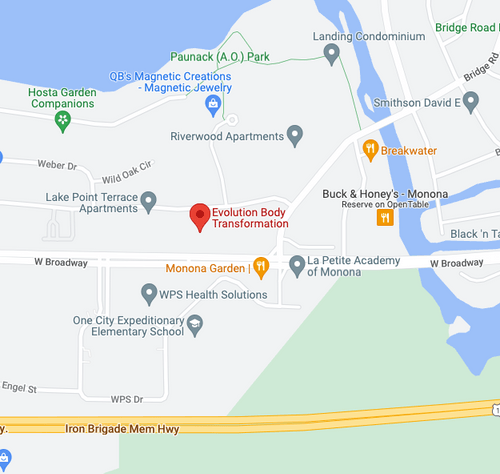
At Evolution Body Transformation, a consultation can help separate what is realistic for medically guided weight loss from what may be better addressed through body contouring. That distinction matters because the most satisfying plan is one that matches the treatment to the goal.
Avoid the Plateau Traps That Slow Progress Further
A plateau can make quick fixes tempting. Detoxes, severe calorie cuts, punishing workouts, and skipping meals may create a short-lived change on the scale, but they often make consistency harder. They can also increase fatigue, hunger, and the feeling that you have failed when the plan becomes impossible to maintain.
It is also easy to assume that doing everything alone is the only option. Support does not mean you lack discipline. It means you are using reliable information and professional guidance to make the next step more effective. If your weight change has been abrupt, unexplained, or paired with symptoms such as extreme fatigue or significant changes in mood, appetite, or digestion, speak with your healthcare provider.
A Plateau Is a Signal, Not a Verdict
Your body is not working against you because progress has slowed. It may be asking for a more precise plan, better recovery, a closer look at health factors, or a goal that goes beyond the scale. Give yourself credit for getting to this point, then choose one meaningful next step instead of trying to change everything at once.
A free consultation can be a comfortable place to talk through your goals, concerns, and options. The path forward may be a simple routine adjustment, medically supervised support, or a tailored combination that helps you feel confident in your progress again. Start where you are, ask the questions you have been holding back, and let your next chapter be built around results that feel sustainable.